
Planning a Home Renovation in the Washington DC area
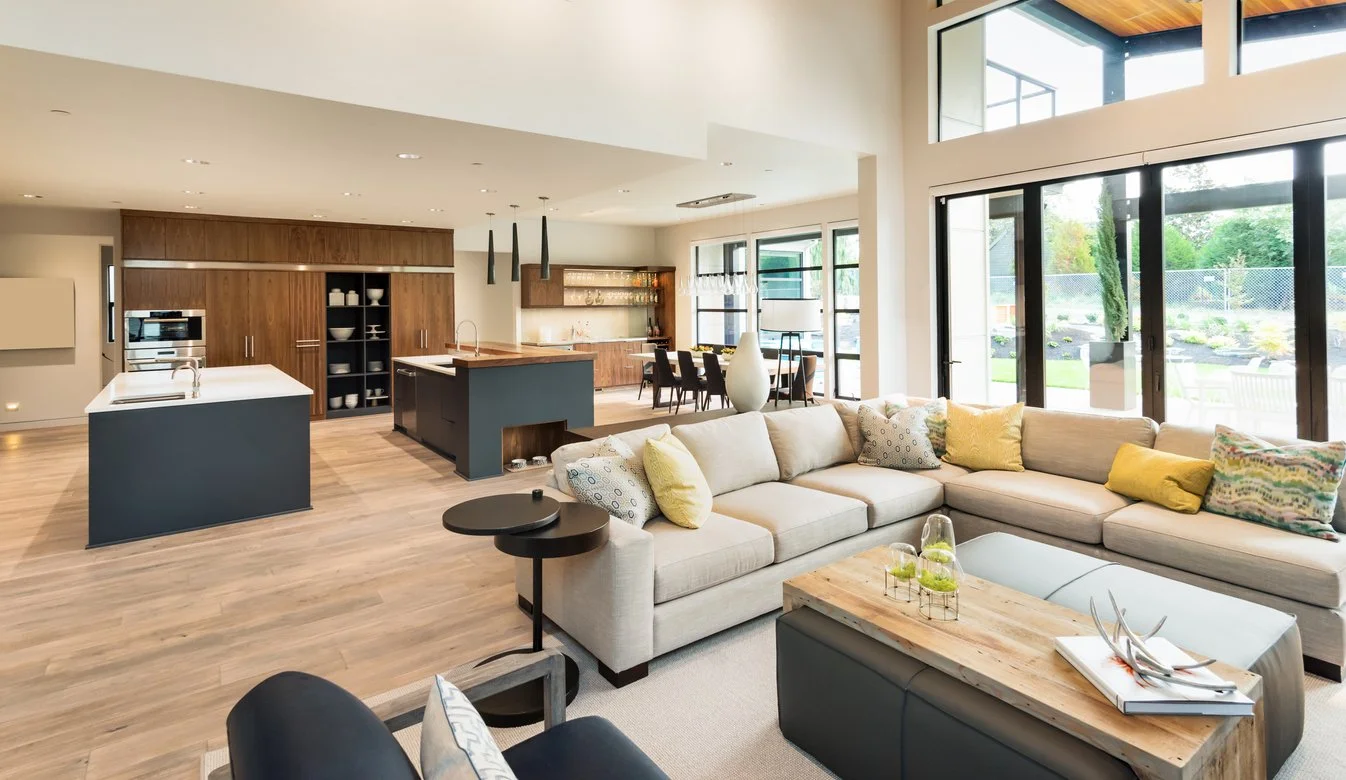
Across Washington, D.C., Bethesda, Chevy Chase, and Northern Virginia, many homeowners reach a moment when the home they love no longer fully supports the way they want to live.
Sometimes the kitchen feels constrained. Sometimes a growing family needs additional space. Other times the architecture itself invites a thoughtful transformation.
For more than a decade, NGage Properties Group has helped homeowners explore these possibilities through carefully planned renovations, architectural additions, and interior transformations that respect both the structure of the home and the character of the neighborhood.
Understanding the Paths to Renovation
Every home—and every homeowner’s goals—are different. Renovation planning often begins with understanding which path best aligns with the property and the long-term vision for the home.
Some homeowners pursue a comprehensive architectural transformation. Others expand their homes through carefully designed additions or reimagine specific spaces such as kitchens.
Understanding these possibilities early helps homeowners make confident decisions before construction begins.
Transform the architecture, layout, and functionality of an existing home through a comprehensive renovation that reimagines the entire living environment.
whole home renovations
Expand your home with thoughtfully designed additions that integrate seamlessly with the existing structure while providing new living space.
Home Additions
Reimagine the heart of the home with architectural kitchen design that blends function, beauty, and natural gathering space.
Kitchen Renovations
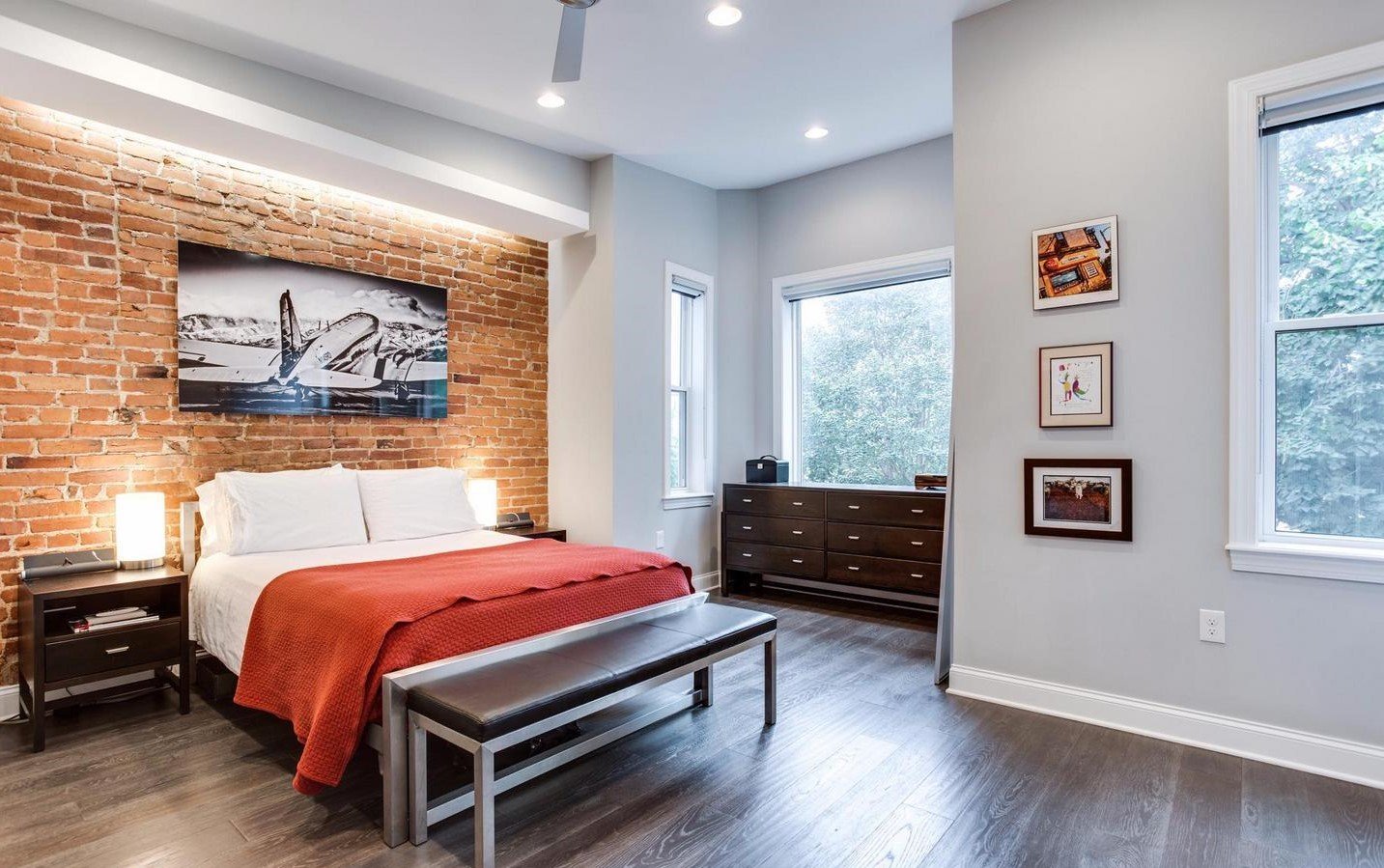
working with historic and legacy homes
working with historic and legacy homes
Many homes throughout Washington, D.C., Bethesda, Chevy Chase and Northern Virginia were built between the late 1800s and the mid-20th century. Victorian rowhouses, early-20th-century bungalows, classic Cape Cods and Craftsman homes each present unique opportunities when planning a renovation.
Thoughtful renovation respects these architectural traditions while adapting the home for modern living. Structural planning, natural light strategies, and carefully integrated materials allow these homes to evolve gracefully while preserving their character.
Key Considerations When Planning a Renovation
Neighborhood Value Matters
Today, many homeowners exploring renovations have already secured a home in a neighborhood they value. Renovation often allows families to remain rooted in those communities while adapting the home to evolving needs.
Planning & Permitting Take Time
In jurisdictions across the Washington, D.C. metro area, zoning reviews, structural planning, and permitting review and approvals always influence renovation timelines.
Older Homes Require thoughtful Integration
Homes built between the late 1800s and mid-century often require structural updates during renovation. Architectural planning ensures new work feels integrated rather than appended.
Strategic Planning Leads to Better Outcomes
The most successful renovations begin with a clear understanding of structural conditions, zoning allowances, and long-term goals for the property.
Serving the Washington, D.C. Metropolitan Area
NGage Properties Group provides design-build renovation, new construction and custom home services across:
Washington, D.C.
Maryland
Northern Virginia
Insights for homeowners
READ OUR LATEST BLOG: Home additions in 2026: What Homeowners Should Know
why clients choose us
Our clients are not looking for the lowest bid. They are looking for clarity, leadership, and refined execution.
They choose us for:
Integrated design-build accountability
Structural and architectural fluency
Controlled, communicative project management
High-end material integration
A composed, concierge-level experience
A home addition is a significant undertaking. It should feel organized — not chaotic.
We accept a limited number of home addition projects each season to ensure disciplined execution and leadership attention.
“We just finished a project with NGage and had a wonderful experience. NGage does not settle for great, they achieve luxury. Thank you so much for our beautiful dream home.”
Home Addition FAQs
Still have questions? Take a look at the FAQ or reach out anytime. If you’re feeling ready.
-
Home addition costs vary significantly based on size, structural complexity, finishes, and local permitting requirements. In Montgomery County and DC, factors such as lot coverage limits, structural reinforcement, and system upgrades (mechanical, electrical, plumbing) often influence investment more than square footage alone.
For a deeper breakdown of cost drivers and planning considerations, see our Home Addition Pricing Overview.
-
Most home additions include three major phases: design and permitting, followed by construction. Timelines depend on scope, jurisdiction approvals, and structural complexity.
Rear additions may move more quickly than full second-story additions, which require deeper engineering coordination. We map milestone timelines early so you can plan confidently.
-
Yes. Home additions require building permits and must comply with local zoning regulations, including setbacks, height restrictions, and lot coverage limits.
In some DC neighborhoods and historic districts, additional review may be required. Permit strategy is integrated into our design-build process from the beginning.
-
In some cases, yes—particularly with rear additions or phased construction approaches.
However, second-story additions or major structural reconfigurations will require temporary relocation depending on safety and sequencing. We assess this early and help you plan accordingly.
-
In high-demand areas such as Montgomery County and select DC neighborhoods, a well-designed addition often increases both functional value and long-term equity.
Architectural cohesion and quality of execution are critical. Additions that feel seamless typically perform better than those that appear appended.
-
It depends on your home’s layout and the local market.
Kitchen expansions often improve daily function and resale appeal. Second-story additions significantly increase square footage and bedroom count, which may influence appraisal differently.
We evaluate both lifestyle and market considerations before recommending a direction.
-
Helpful items include:
Existing floor plans (if available)
A short list of goals and priorities
Inspiration images
Desired timeline
If you don’t have these, we guide you through structured discovery.
-
The first step is feasibility—evaluating structural conditions, zoning constraints, and realistic investment alignment before architectural drawings begin.
This prevents redesign cycles and budget misalignment later.
-
Design-build integrates architecture, engineering, permitting, and construction under one accountable structure.
This reduces miscommunication, compresses timelines, and ensures architectural decisions align with construction realities from the beginning.