
explore our home additions
Washington, D.C.
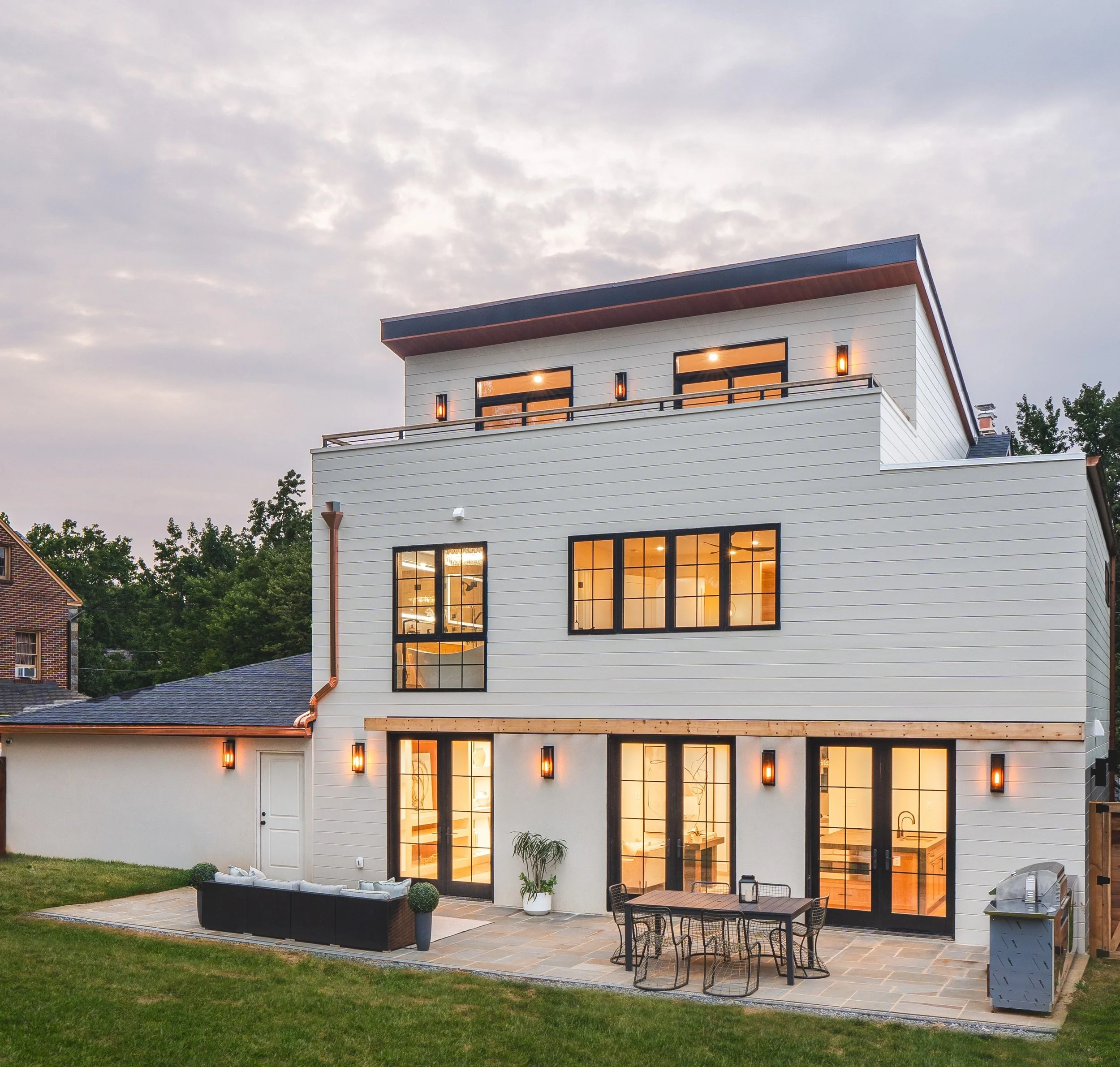
A popular question we are often asked is “should I sell and start over; or, should I stay and expand? This question is so popular that we’ve dedicated an entire blog about the pro’s and con’s of building an addition onto your existing home, the planning, the pricing and the timelines of doing so, all focused on the Washington, D.C., Montgomery Country and Northern Virginia area.
On this page, we discuss different types of home additions. If you’re looking to add value, the bottom line is: more square footage equals more value, when designed and built well, of course. However, the differentiating factors are in the types of spaces you add (a new owner’s suite, enlarged gourmet kitchen with seamless outdoor transition, a dual-level great room, sports center, or an expansive wellness space for quiet retreat). When designing an addition to your home the options are almost endless. There are several questions that have to be answered, of course:
What is your current zone
What are your backyard and side yard setbacks
How much buildable lot do you have
Answers to these questions are critical and, here in the Washington, D.C. metropolitan area, the rules vary significantly.
Home Additions We Design & Build
Architectural alignment, structural integration, how the improves the flow of the overall home are critical factors in building a new addition. Home additions can look seamless to the original architecture of the home or it can be designed with purposefully contrast. Disciplined project leadership—especially in high-value neighborhoods where build quality and resale impact matter is essential.
If you’re considering a second story, rear addition, or major reconfiguration, our integrated design-build team makes the process clear, calm, and decisively managed.
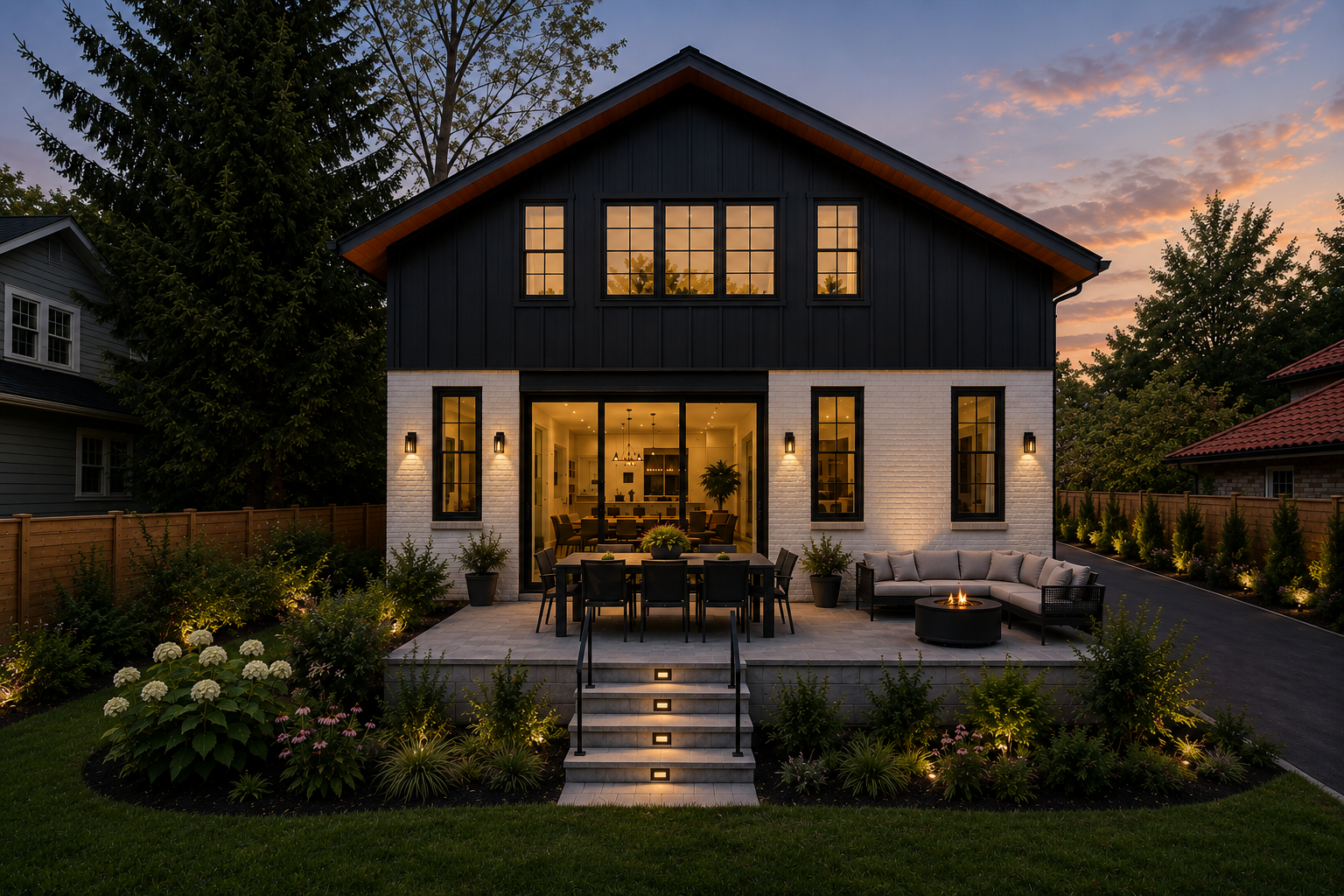
Second-story additions + pop-ups + roof decks
Rear additions + multi-sided additions
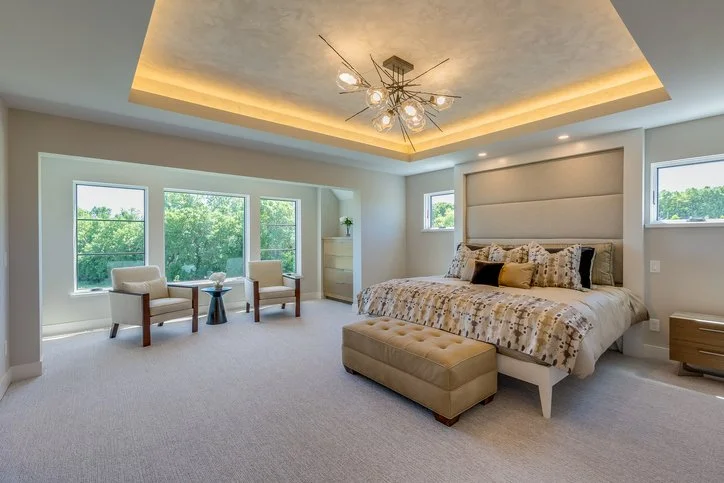
Primary suite additions
Wellness retreat expansions
In-Law Suites + Accessory Dwelling Units (ADUs)
Kitchen additions and structural reconfiguration
High-end architectural detailing + interiors
what makes our home additions different
A home addition is not simply framing and drywall. It is structural engineering, zoning navigation, architectural discipline, and controlled execution.
We approach additions as an integrated design-build process — not a handoff between disconnected parties. And, we ensure our clients never become the project manager.
That means:
We bring the full team: the architect, the engineers, the interior designer and the trade professionals
Structural feasibility is evaluated before design commitments
Engineering is coordinated from the beginning
Realistic budget alignment happens early
A clear timeline with milestones and client walk-thru dates
A clear process for change orders, should that be necessary
Permit strategy built into design development
Clear leadership from consultation to completion
Every client is assigned a single point of contact from beginning to end
There is no design created in isolation. Through our nVision VR goggle experience, our clients see and virtually stand inside of their home before demolition begins. There is no construction team guessing midstream. One accountable team. One cohesive plan.
Experienced in High-Value, Regulation-Sensitive Areas
Many of the communities we serve come with real constraints — height limits, lot coverage rules, setback requirements, and in some cases, historic overlays.
Areas we serve include: Montgomery County municipalities such as Bethesda, Chevy Chase, Kensington, and Potomac, as well as Washington, DC and Northern Virginia jurisdictions where approvals require precision and planning. We’ve also worked in numerous cases where multiple levels of architectural drawing reviews and permit approvals is part of the process (e.g. town reviews, etc.)
We navigate those variables deliberately — so your project does not stall or spiral.
Why Clients Choose Us
Our clients are not looking for the lowest bid. They are looking for clarity, leadership, and refined execution.
They choose us for:
Integrated design-build accountability
Structural and architectural fluency
Controlled, communicative project management
High-end material integration
A composed, concierge-level experience
A home addition is a significant undertaking. It should feel organized — not chaotic.
We accept a limited number of home addition projects each season to ensure disciplined execution and leadership attention.
“We just finished a project with NGage and had a wonderful experience. NGage does not settle for great, they achieve luxury. Thank you so much for our beautiful dream home.”
Home Addition FAQs
Still have questions? Take a look at the FAQ or reach out anytime. If you’re feeling ready.
-
Home addition costs vary significantly based on size, structural complexity, finishes, and local permitting requirements. In Montgomery County and DC, factors such as lot coverage limits, structural reinforcement, and system upgrades (mechanical, electrical, plumbing) often influence investment more than square footage alone.
For a deeper breakdown of cost drivers and planning considerations, see our Home Addition Pricing Overview.
-
Most home additions include three major phases: design and permitting, followed by construction. Timelines depend on scope, jurisdiction approvals, and structural complexity.
Rear additions may move more quickly than full second-story additions, which require deeper engineering coordination. We map milestone timelines early so you can plan confidently.
-
Yes. Home additions require building permits and must comply with local zoning regulations, including setbacks, height restrictions, and lot coverage limits.
In some DC neighborhoods and historic districts, additional review may be required. Permit strategy is integrated into our design-build process from the beginning.
-
In some cases, yes—particularly with rear additions or phased construction approaches.
However, second-story additions or major structural reconfigurations will require temporary relocation depending on safety and sequencing. We assess this early and help you plan accordingly.
-
In high-demand areas such as Montgomery County and select DC neighborhoods, a well-designed addition often increases both functional value and long-term equity.
Architectural cohesion and quality of execution are critical. Additions that feel seamless typically perform better than those that appear appended.
-
It depends on your home’s layout and the local market.
Kitchen expansions often improve daily function and resale appeal. Second-story additions significantly increase square footage and bedroom count, which may influence appraisal differently.
We evaluate both lifestyle and market considerations before recommending a direction.
-
Helpful items include:
Existing floor plans (if available)
A short list of goals and priorities
Inspiration images
Desired timeline
If you don’t have these, we guide you through structured discovery.
-
The first step is feasibility—evaluating structural conditions, zoning constraints, and realistic investment alignment before architectural drawings begin.
This prevents redesign cycles and budget misalignment later.
-
Design-build integrates architecture, engineering, permitting, and construction under one accountable structure.
This reduces miscommunication, compresses timelines, and ensures architectural decisions align with construction realities from the beginning.