Renovating This Year?
Most homeowners start in the same place – looking at layouts, finishes, and inspiration. But the projects that turn out the best don’t start there. They start with a few key decisions that define what the project should actually be before the design begins.
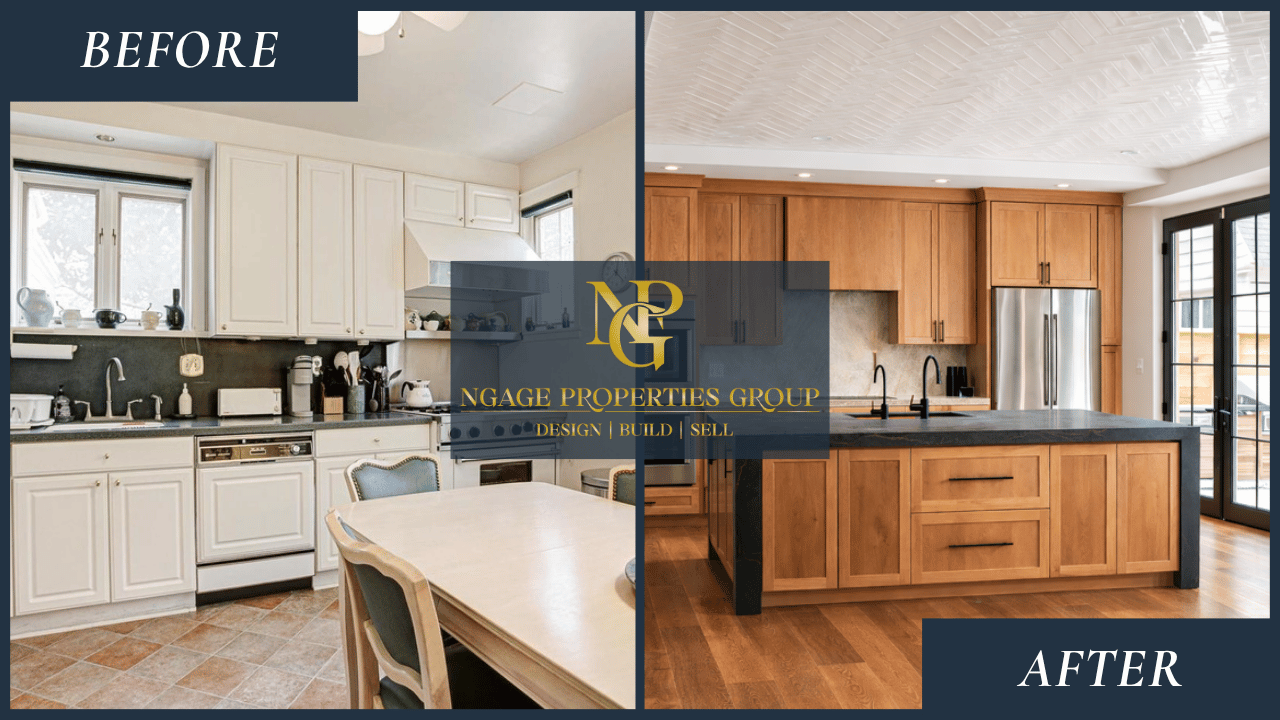
Whole-Home Renovation + Addition. See full renovation at The Clairmont Residence
Most Homeowners start in the same place
Looking at inspiration? Layouts? Finishes? But the real decision comes before any of that: Do you actually need more space—or do you need to use it better? In this blog, you’ll see whole-home renovations, kitchen renovations, home additions we completed for clients in Bethesda, MD, Chevy Chase, MD and Washington, D.C..
Before Design, Most People Are Asking the Wrong Questions
We often meet homeowners already thinking about what they want things to look like. But the real questions sound more like this:
Do we actually need more space—or do we just need to use it better?
Should we add on…or fix what’s not working?
Are we outgrowing the house—or is the layout the issue?
What’s worth doing now—and what can wait?
These are the questions that shape the entire direction of a project. And when they’re not answered early, even good design can head in the wrong direction.
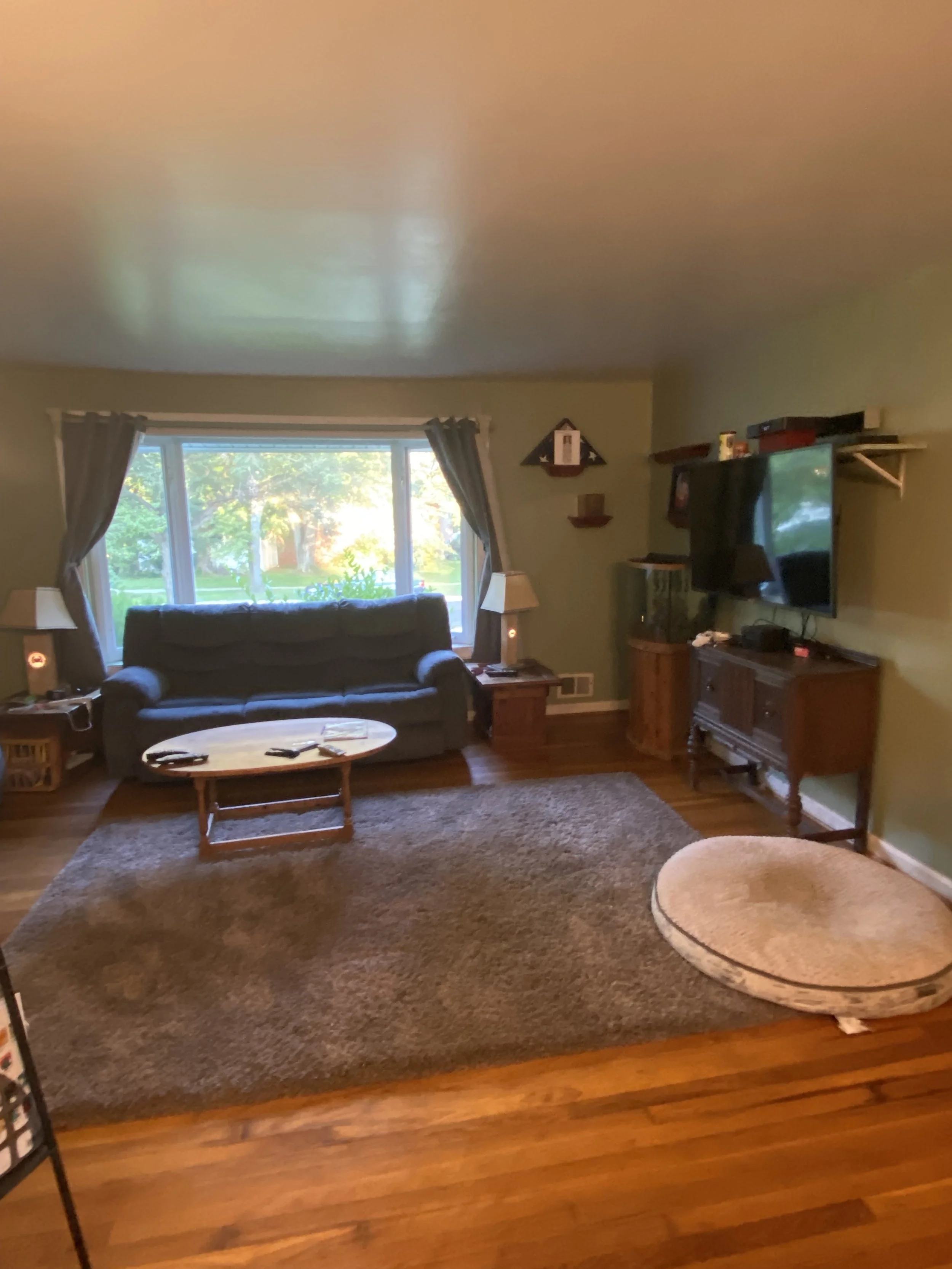
Before Photo: Whole-Home Renovation (living room) in Bethesda, MD
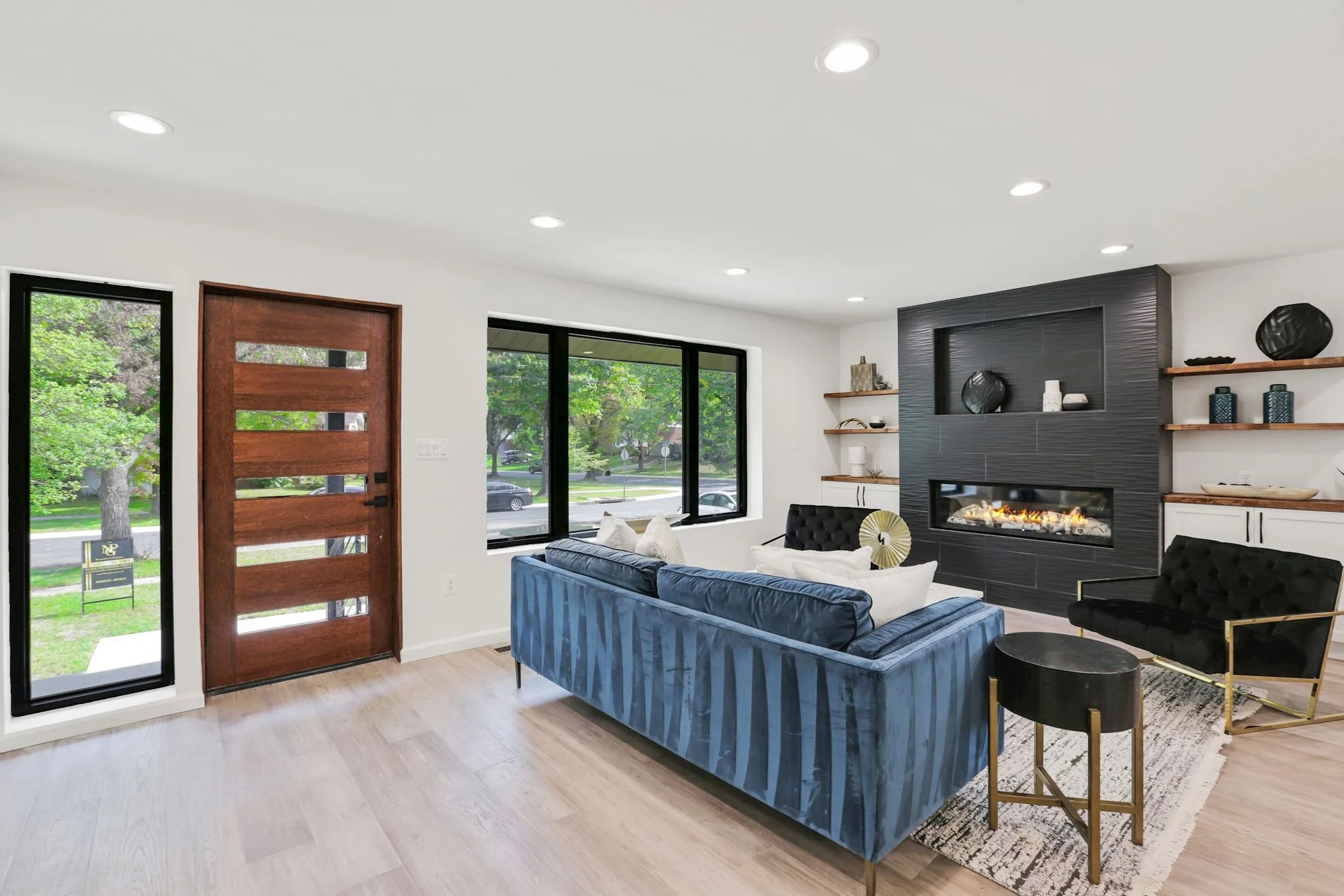
After Photo: Whole-Home Renovation (living room) in Bethesda, MD
The Reality Most Homeowners Don’t Realize
Up to 80% of a project’s cost is influenced by decisions made before construction even begins.
— Construction Industry Institute (Pre-Project Planning research)
That means:
The direction you choose early matters more than the finishes later
The wrong project type leads to wasted investment
Not Every Home Needs More Square Footage
Some homes need:
A reworked layout
Better flow between spaces
A more intentional entry sequence
Others genuinely need:
Additional square footage
Structural expansion
Multi-level additions
The challenge is knowing which is which—before you begin.
Where the Investment Actually Goes Wrong
Most projects don’t go overboard because of finishes. They go off track because:
The scope wasn’t clearly defined early
Too much was added where it didn’t matter
Not enough was invested where it did
Well-planned renovations can return 60–80%+ of their value—when the right improvements are prioritized.
— Remodeling Magazine, Cost vs. Value Report
Spend With Intention, Not Momentum
A better approach is simple:
Invest more where it changes how you live
Be disciplined where it doesn’t
That might mean:
Expanding a kitchen instead of upgrading three smaller rooms
Reworking circulation instead of adding unnecessary square footage
Focusing on core spaces instead of spreading the investment too thin
What Changes When You Start With Better Questions
Projects that begin with clarity tend to:
Move faster through design
Require fewer revisions
Stay aligned from start to finish
And most importantly, they feel intentional—not reactive.
case study: Bethesda, MD Whole-Home Renovation + Addition
A 1950s split-level home had:
compartmentalized rooms
a disconnected entry
a layout that no longer worked
The initial instinct was to “update the home.”
Instead, the better question was:
“What is this home actually not doing well?” The answer: Not growing with the needs of the family. The client had 2 teenagers who would soon move out and she wanted a more open floorplan, a real owner’s suite (ensuite with walk-in closet included) and a fresh new look on the exterior.
That shifted the project to:
reworking circulation
expanding the front entry
adding meaningful living space
The result wasn’t just updated—it was transformed with purpose. Read the full case study here: The Luminet Residence
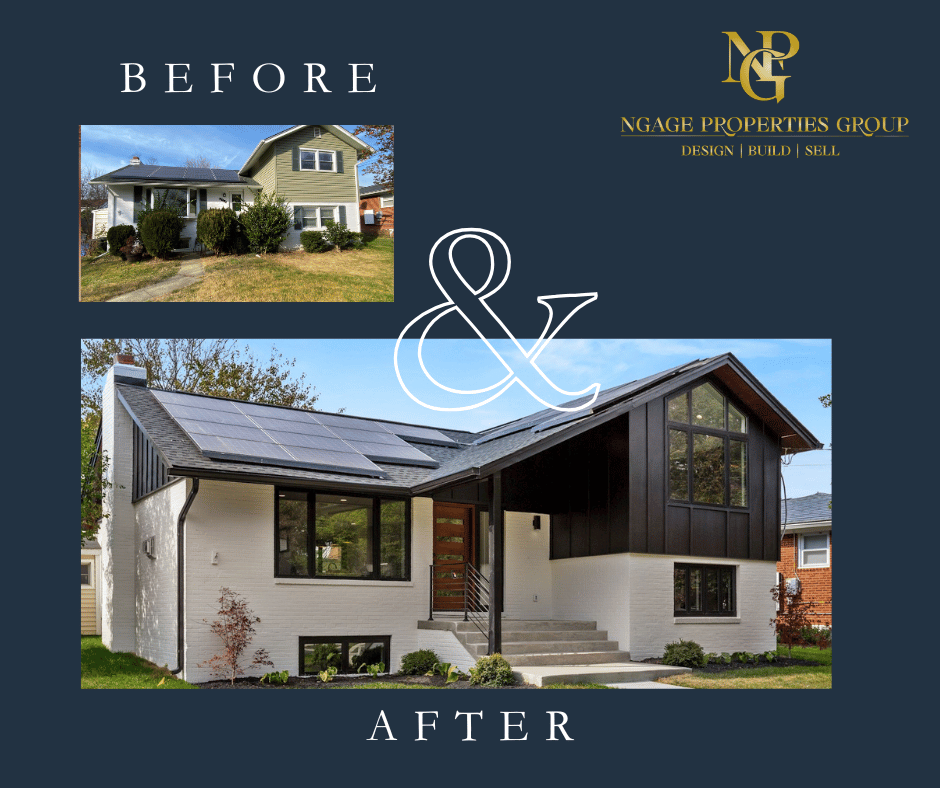
Before/After: Bethesda, MD Whole-Home Renovation + Addition
A Better Way to Begin
Before you decide:
how it should look
what to build
or how far to go
Start here: Do you actually need more space—or do you need a better plan? The best projects don’t start with design. They start with better questions.
Thinking about a renovation or addition this spring?
Start with a conversation…